
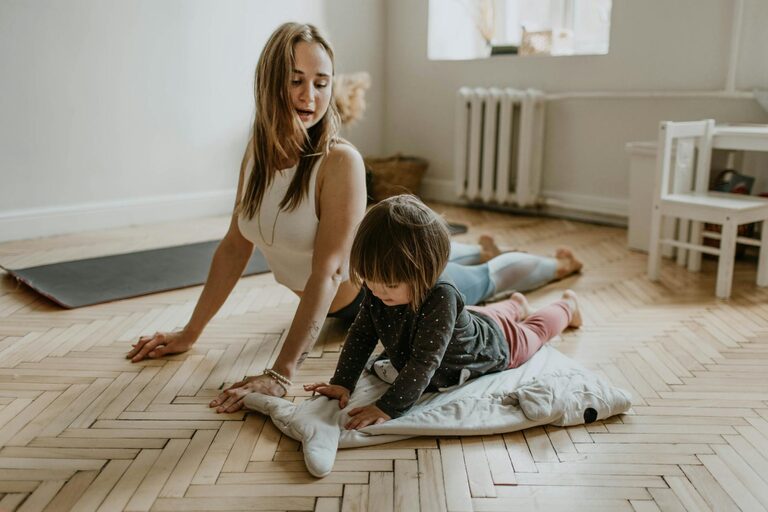
Stretching is a simple yet powerful way to enhance your physical health and overall well-being. Whether you’re new to fitness or looking for a gentle way to relieve tension, incorporating stretching into your daily routine can work wonders. The best part? You can do it right at home with no special equipment needed.
In this beginner’s guide, we’ll walk you through the basics of stretching at home, explain its benefits, and share simple exercises perfect for all fitness levels.
Why Stretching Matters
Stretching helps increase your muscle flexibility and joint range of motion, making everyday movements easier. It can:
– Reduce muscle stiffness and soreness
– Improve posture
– Increase blood flow
– Decrease the risk of injury
– Promote relaxation and stress relief
By dedicating just a few minutes each day to stretching, you can support your body’s natural movements and feel more comfortable throughout the day.
Getting Started: What You Need to Know
Before jumping into stretching routines, consider these helpful tips:
Warm Up First
It’s best to stretch after a light warm-up. This could be a brisk walk, jogging in place, or gentle arm circles for about 5–10 minutes. Warming up raises your body temperature and prepares your muscles, making your stretches more effective and reducing the risk of injury.
Stretching Techniques
There are two common types of stretching:
– Static Stretching: Holding a stretch in one position for 15–60 seconds. Ideal for cool-downs or when increasing flexibility.
– Dynamic Stretching: Performing controlled movements through a full range of motion. Great as a warm-up to get muscles ready for activity.
Beginners often start with static stretches since they’re easier to control and focus on relaxing muscles.
Safety First
– Never stretch to the point of pain. Mild discomfort is okay, but sharp pain is a signal to stop.
– Breathe deeply and evenly while stretching to help your muscles relax.
– Avoid bouncing during stretches, which can cause muscle strain.
Essential Stretching Exercises for Beginners
Here are some beginner-friendly stretches you can easily do at home. Aim to hold each stretch for 20–30 seconds and repeat 2–3 times on each side when applicable.
1. Neck Stretch
Relieves tension often caused by sitting at a desk or looking at screens.
– Sit or stand tall.
– Slowly tilt your head to one side, bringing your ear toward your shoulder.
– Use your hand to gently deepen the stretch if comfortable.
– Repeat on the other side.
2. Shoulder Stretch
Helps loosen tight shoulders and upper back muscles.
– Extend one arm across your chest.
– Use your opposite hand to press the extended arm closer to your chest.
– Hold and switch arms.
3. Cat-Cow Stretch (Spine Mobility)
Enhances spine flexibility and warms up back and abdominal muscles.
– Start on your hands and knees in a tabletop position.
– Inhale, arch your back, lifting your tailbone and head toward the ceiling (Cow pose).
– Exhale, round your spine, tucking your chin toward your chest (Cat pose).
– Repeat slowly for 8–10 cycles.
4. Seated Hamstring Stretch
Targets the back of your thighs and lower back.
– Sit on the floor with one leg extended straight and the other bent with the foot against your inner thigh.
– Reach forward toward your toes while keeping your back straight.
– Hold and repeat on the other leg.
5. Quadriceps Stretch
Stretches the front thigh muscles, which can become tight from sitting or walking.
– Stand on one leg, holding onto a chair or wall for balance.
– Bend the opposite knee, bringing your heel toward your buttocks.
– Grab your ankle and gently pull it closer.
– Hold and switch legs.
6. Butterfly Stretch
Opens the hips and helps improve flexibility in the groin area.
– Sit with your feet together and knees bent out to the sides.
– Hold your feet with your hands.
– Gently press your knees toward the floor using your elbows.
– Keep your back straight while holding.
7. Child’s Pose
A restorative stretch that lengthens the back and shoulders.
– Start on hands and knees, then sit back onto your heels.
– Extend your arms forward and lower your forehead to the floor.
– Breathe deeply and relax in this position.
Tips for Building a Stretching Habit
Consistency is key when it comes to stretching. Here’s how to make it part of your daily routine:
– Choose a specific time each day, like morning or before bedtime.
– Set a reminder on your phone.
– Combine stretching with another habit, such as after brushing your teeth.
– Keep a yoga mat or comfortable space ready.
– Focus on the positive feelings stretching brings—reduced tension and increased flexibility.
When to Stretch for Best Results
– After exercise: To cool down and avoid stiffness.
– During breaks: If you work at a desk, stand up every hour to stretch.
– In the morning: To wake up your muscles.
– Before bed: To relax your body and prepare for restful sleep.
Final Thoughts
Stretching at home is an accessible and enjoyable way to improve your body’s flexibility and ease everyday movements. Start slow, listen to your body, and gradually increase your routine. With patience and regular practice, you’ll notice improvements in your posture, muscle comfort, and overall wellness.
Remember, no fancy equipment or gym membership is needed—just a little space, some time, and the willingness to take care of yourself one stretch at a time.
Happy stretching!